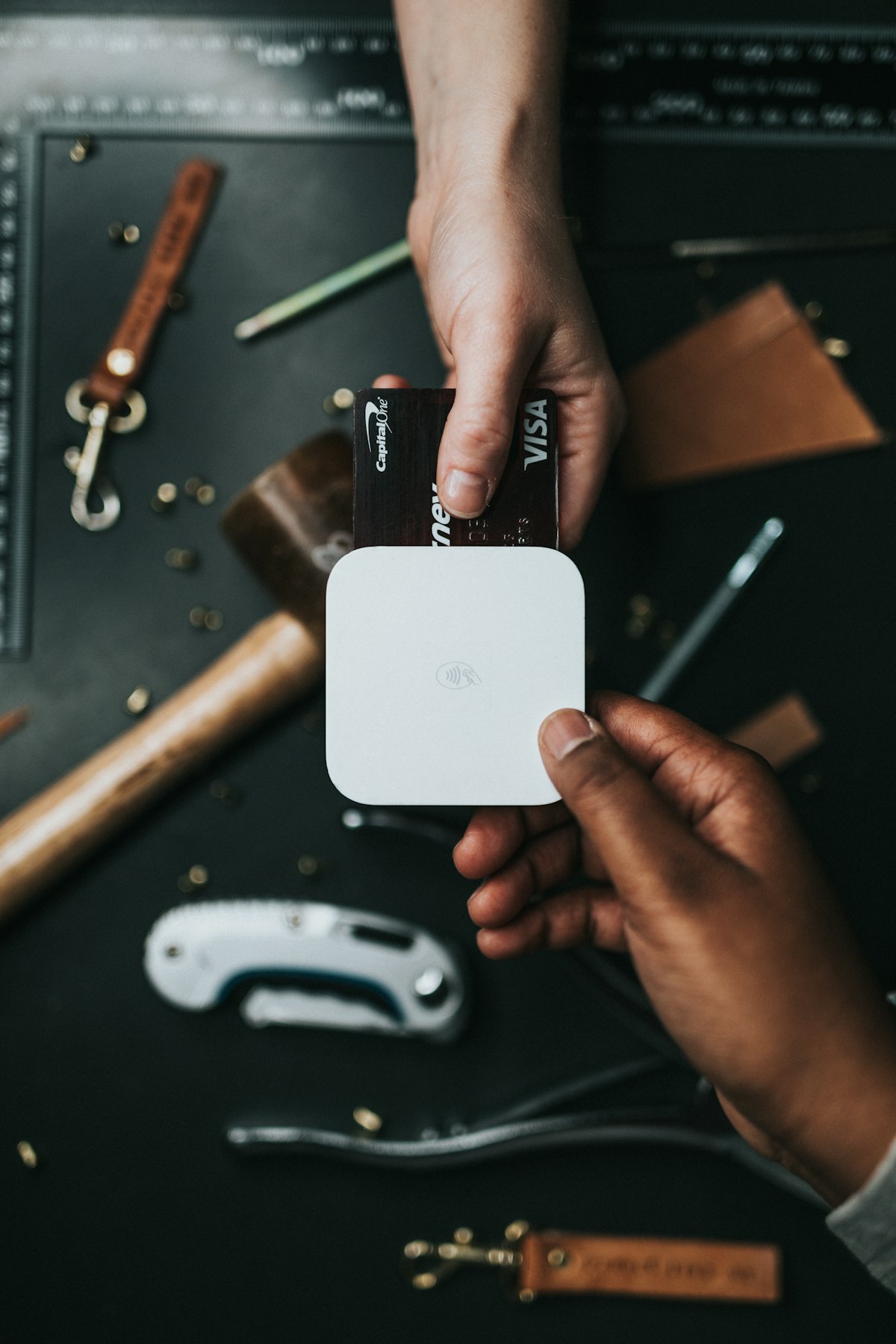
Anyone can launch an e-commerce store in a weekend. Templates are free, payments are easy, and the platforms hold your hand all the way to live. So why do most "weekend stores" never make real money? Because building a store and building a business that sells online are two different things. In this article we unpack why a professionally built e-commerce store costs more, why it earns much more, and how to think about the investment.
Templates feel cheap because they are
The DIY pitch is appealing: pick a template, swap the photos, add your products, go live. And for a hobby brand selling to friends and family, that's fine. The problem starts when you want the store to actually grow. The same template that got you live in a weekend will quietly limit your conversion rate, your search visibility, your speed, and your operational efficiency for the next three years.
The limitations are rarely visible from the front-end. They live in how the template structures product data, how it handles search and filtering, how fast it loads, how easy it is to integrate with anything else. A professional builder thinks about all of that from day one.
Tailored advice that fits your business
A professional developer doesn't just build your store. They understand your business. They ask the right questions about your products, your customers, your fulfillment, and your growth goals before writing a single line of code. The result is a store designed around how you actually sell, not a generic template that hopes you'll fit it.
The questions a pro asks early:
- What's your average order value, and what are you doing to raise it?
- Where does your traffic come from today, and where do you want it to come from in 12 months?
- How do you handle returns, and how often does that happen?
- Who is your most profitable customer cohort, and what do they have in common?
- What's your tax, shipping, and inventory situation across regions?
The answers shape every decision that follows, from platform choice to URL structure to checkout design.
Speed without sacrificing quality
DIY builds drag on for months. A pro ships in weeks. The reason isn't speed for its own sake; it's that pros have solved the same problems hundreds of times. Payments, shipping rules, tax engines, inventory sync, mobile checkout, abandoned-cart recovery, multi-currency, SEO migration. They don't re-learn these on your dollar.
Conversion optimization from day one
Templates look fine. They rarely convert. A professional store is built around the things that actually move conversion rate:
- Clear product page hierarchy: hero image, name, price, key benefits, then everything else.
- Trust signals near the buy button: reviews, returns policy, security badges.
- Cart and checkout friction reduction: guest checkout, saved payment methods, one-page checkout.
- Mobile-first interaction patterns, because 60 to 70 percent of your traffic is on a phone.
- Page speed, because every 100ms of delay costs you roughly 1 percent of conversion.
- Search engine optimization built into the structure, not retrofitted later.
Built to scale
A store hand-built by a professional is architected for what you'll need in year two, not just month one. Category expansion, internationalization, B2B portals, subscription products, marketplaces. All of that is much easier to add when the foundation was designed with growth in mind.
When a templated store grows past its template, the only way forward is usually a rebuild. That's the moment a lot of brands lose six months of momentum and an unhappy amount of money. A professional store can grow with you for a decade.
Support and continuity
When something breaks at 11pm before Black Friday weekend, the difference between a great vendor and a freelance template is real. A real agency has on-call support, SLAs, and a deep knowledge of your store. The peace of mind alone is often worth the price difference.
It's also a matter of risk. The companies we've seen lose the most money during outages are the ones that built cheaply, never invested in monitoring, and had no one to call when things went wrong.
Integration as a feature, not an afterthought
Modern e-commerce isn't just a store. It's a store plus an email tool plus a CRM plus an analytics stack plus an ad pixel plus a review system plus a customer service tool plus shipping software. A professional builder designs the data flows between those systems from day one. A templated store typically has to bolt them on after the fact, with whatever duct tape is available.
The real math
A professionally built e-commerce store typically costs three to five times what a templated store does. And it typically earns ten to twenty times more revenue over its first three years. The investment isn't the cost. The cost is the revenue you leave on the table by not making the investment.
To make the math concrete: a $4,000 templated store that converts at 1.2 percent versus a $15,000 professional store that converts at 3.5 percent. Same traffic, very different revenue. The pro pays for itself in the first month of operation and continues paying for itself every month after that.
What a "professionally built" store actually looks like
A professionally built store is:
- Fast (under 2 seconds on mobile).
- Search-engine-optimized at the structure level, not via plugins.
- Mobile-first, not mobile-as-an-afterthought.
- Integrated with the tools you already use.
- Maintainable by your team without calling the agency every time you want to change a price.
- Measurable: every important event is tracked.
- Documented, so the next agency (or your in-house team) can pick it up without starting over.
Where to start if you're rebuilding
If you already have a templated store and are wondering whether to invest in a rebuild, the cleanest test is to ask: are we leaving money on the table because of how the store is built? Look at conversion rate by device, by page, by traffic source. Look at speed. Look at how many integrations you've duct-taped onto the side. If the answer is "yes, we're definitely leaving money on the table," the rebuild pays back fast.
Working with Webblyfy
We build professional e-commerce stores in 6 to 10 weeks, end to end. Strategy, design, development, integrations, content migration, launch, and the first 90 days of optimization. Our typical client sees a 2 to 4x conversion rate improvement over their previous templated site within the first two months post-launch.